
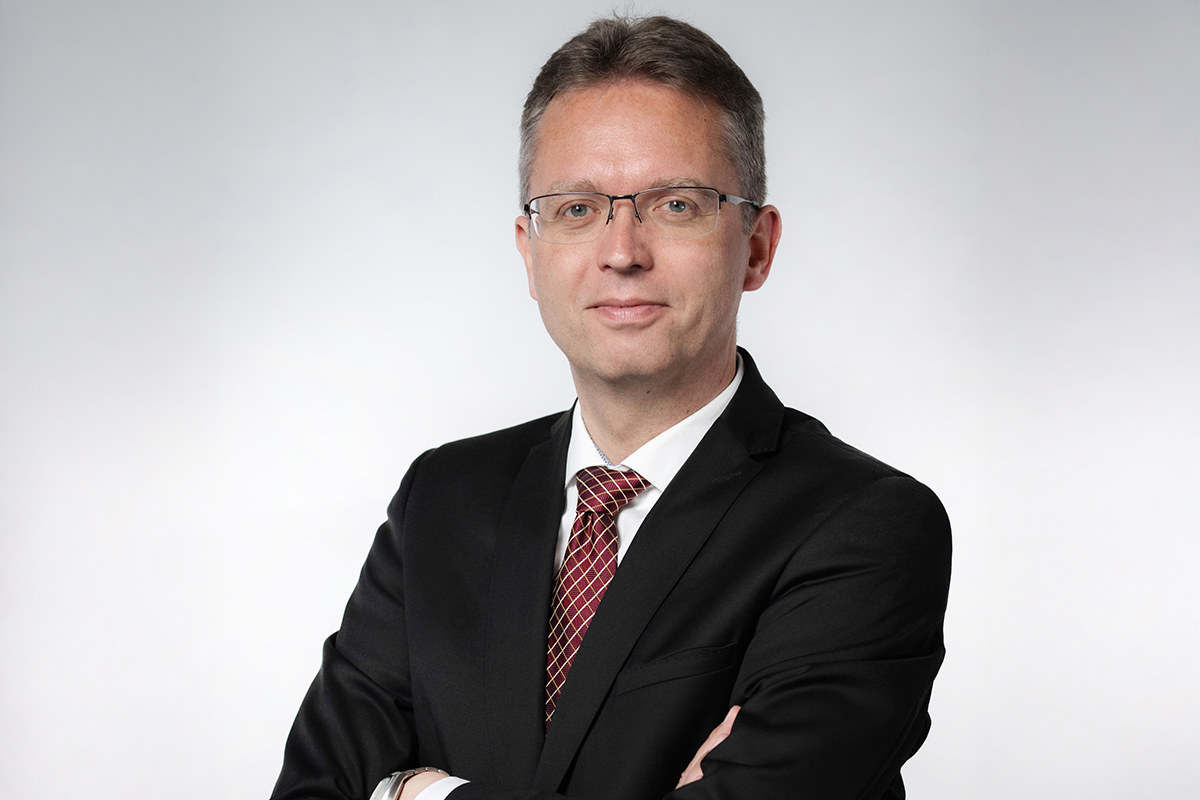
20 Jan Interview with Balázs Hankó, Minister of Culture and Innovation Government of Hungary
Hungary stands at a strategic crossroads of culture and innovation within Central and Southeast Europe. In recent years, the country has made significant strides in aligning its cultural heritage with cutting-edge research and development. With ambitions to become a top-10 EU innovator by 2030, Hungary has boosted its R&D spending—allocating over $130 million in recent initiatives—while elevating its universities onto the global stage. Cultural diplomacy has also emerged as a key pillar, driving Hungary’s regional and international outreach, particularly through high-level events like Expo Belgrade 2027.
As the Ministry for Culture and Innovation plays a central role in shaping this vision, we delve into how Hungary is positioning itself as a regional leader at the intersection of identity, knowledge, and future-facing industries.
You’ve described Hungary as an “island of commitment to values” where culture plays a vital role, especially “in times of peril.” How do you see this ethos shaping Hungary’s cultural diplomacy and innovation outreach within the country?
It is a unique ministry because it brings together culture, innovation, higher education, vocational training, youth and family policy. Some might ask why these portfolios are combined, but for us, they are all linked to Hungarian identity. Hungary has deep Christian cultural roots, bridging East and West and a history spanning over 1,000 years. Our language, Hungarian, is unique in Europe and our heritage is a source of pride. Culture, innovation and education are crucial to preserving this identity and passing it on to future generations.
Through education, innovation and family policy, we ensure that our traditions and values remain strong. Family is central to Hungarian society—98 percent of Hungarians place family first. Amidst massive changes in Europe, we remain proud of our Hungarian and Christian heritage. Our constitution protects these core values and our ministry reflects that: strengthening culture, fostering innovation and preserving our identity go hand in hand.
The combination of culture and innovation is central to your ministry’s brief. How do you integrate these strands in your programming and what key incentives explain Hungary’s attractiveness?
In the last ten years, we have tripled our investment in research, development and innovation—the third-highest increase in the EU. We also restructured the Hungarian higher education system, boosting PhD enrolment by 50 percent in the last five years. We are renewing the PhD program into a three-level system, integrating students into national research projects and offering extra scholarships. We are also expanding cooperative PhD studies, where students split time between universities and real-world workplaces like hospitals or clinics for health studies. In the past decade, we doubled the number of researchers per million people, from 3,000 to 6,500—one of the highest increases in the EU. This progress is supported by the Neumann János Program, honoring Hungary’s John von Neumann, whose work laid the foundation for modern computing.
We have a “three plus one” strategy focused on digitalization, the green transition and dual-use technologies. Our Research and Innovation Fund supports both basic research and outcome-driven translational research. We restructured the funding decision system, using the same methodology as the European Research Council and more than doubled support for excellent researchers from $57 million to $120 million. Recently, the Hungarian parliament approved a new public-interest trust fund led by Nobel Laureate Ferenc Krausz, with other laureates involved. This foundation aims to attract top Hungarian and international researchers, creating a “Hungarian golden team” and combining research excellence with talent management, with a focus on STEM fields that drive economic impact.
With national competitiveness and cultural identity as core priorities, how do you balance Hungary’s cultural branding with international innovation partnerships?
We Hungarians are known for our cultural values and classical heritage—think Ferenc Liszt, Zoltán Kodály and Béla Bartók. Visiting Budapest, from Buda Castle to the Opera House, shows not just our history but our dedication to preserving and celebrating culture. At the same time, we aim to be competitive. That is why we reformed the Hungarian higher education system, doubling its funding and linking half of it to performance outcomes. Despite challenges from Brussels, our universities are climbing international rankings. Our research system, anchored by the Hungarian Research Network, has also been restructured to ensure autonomy, excellence and performance-based funding. With these reforms, we aim to be among the top 10 in Europe by 2030.
What concrete messages and collaborations do you hope Hungary brings to Expo Belgrade, in terms of cultural-innovation showcases, regional RDI synergies and long-term partnerships?
We are proud and talented Hungarians, shaped by our cultural roots, unique language and traditions. Our country offers warm hospitality, safe cities and rich music, cuisine and wine. We enjoy collaborating with nations that share a vision for the future, especially the Western Balkans, with whom we share history and traditions. These connections—from shared songs to cultural ties—can help Central Europe and the Western Balkans work together to strengthen the continent’s competitiveness and impact.
Sorry, the comment form is closed at this time.