
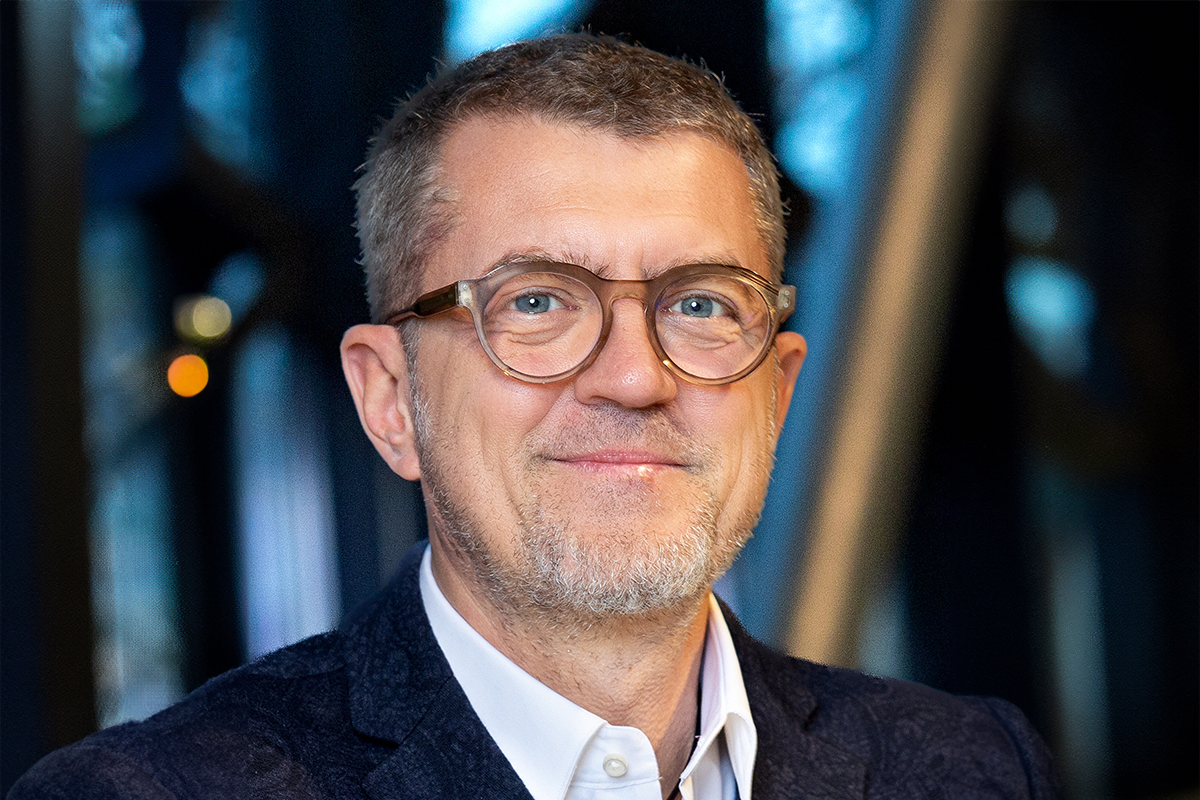
16 Jan Interview with Mr. Gábor Ganczer, CEO of Hungexpo, Hungary
Hungary is rapidly establishing itself as a key player in the MICE industry; what major trends are currently shaping the sector, and how do you assess its broader impact on the national economy?
Ganczer: Hungary—and Budapest in particular—plays an increasingly important role in the international MICE industry. Following a major investment in Hungexpo, we are now able to attract high-quality international events, especially association meetings, medical congresses, and major exhibitions. Budapest has always been an attractive destination for business tourism. What was missing was a modern, competitive venue. Since 2021, our performance has been very strong. Despite challenges such as the war and the energy cri-sis, demand continues to grow, particularly in the international corporate and association markets, which are driven more by global conditions than the local economy.
Today, Hungexpo operates three main profit centers. These include our own international exhibitions across sectors such as construction and agriculture; the hosting of national and international events, where we see strong growth, especially in medical and financial congresses such as EuroFinance; and film production, with major projects from Hollywood and Europe.
What makes Budapest uniquely attractive to global MICE organizers, and how do lo-gistics and accessibility strengthen the city’s appeal?
Ganczer: Accessibility and security are key, as is the city’s diversified offer. Budapest brings together strong venues, hotels, gastronomy, and a rich agricultural and culinary culture, making it highly attractive for this market. In terms of positioning, we compete with cities such as Vienna, Barcelona, and Berlin—not Paris or London. While value for money mat-ters, Budapest is not a cheap destination; what we offer is high quality and strong value across the entire experience.
What have been the most important milestones in Hungexpo’s recent history, and how has the venue evolved in terms of capacity, facilities, and services?
Ganczer: Hungexpo offers a full 360-degree service, from food and beverage and audiovisual support to stand construction, acting as a true one-stop partner for event organizers. A key milestone came in 2017–18, when the Hungarian state reacquired the venue from the French group GL events, which had privatized it in 2005. This was followed by a €170 million redevelopment, completed in 2021.
Since then, Hungexpo and Budapest have seen strong growth in the international MICE market. Today, we offer more than 70,000 square meters of covered space and can host congresses ranging from 500 to 10,000 participants. The venue is highly flexible, with the added advantage of accommodating up to three parallel events simultaneously.
As Hungary’s film industry continues to grow, what key advantages make Hungexpo an attractive destination for international production companies and studios?
Ganczer: Hungexpo Studios was created during COVID, when the events industry was the first to shut down and the last to reopen, forcing us to identify new revenue streams. We quickly saw that the film industry adapted rapidly, established clear COVID protocols, and was booming due to increased demand for content. Our venues were well suited to studio use, so we entered this market.
What sets Hungexpo Studios apart from traditional film studios is our service mindset and partnership approach. Coming from the events industry, we are highly service-driven, work closely with production companies, and truly understand their needs. This is why productions return repeatedly: one major film that previously shot here returned in 2022 and is now filming its third installment in 2025.
How important is the U.S. market to Hungexpo’s growth strategy, and how do part-nerships and collaborations support your international positioning?
Ganczer: The U.S. market, particularly the corporate segment, is very important for us, especially technology companies such as Microsoft and HP. We actively promote Budapest through U.S. roadshows and by participating in IMEX Las Vegas, although results are gradual. This is partly due to perceptions linked to the war in Ukraine, as some U.S. companies view Europe as a single market and prefer destinations farther from the region, such as Barcelona. Despite this, we remain committed and firmly believe there is significant potential in the U.S. market.
Looking back on your tenure, what were the biggest challenges and proudest mo-ments in Hungexpo’s transformation, and how do you see its role evolving in global event hosting?
Ganczer: The biggest challenge was transforming the company. When I joined in 2009, Hungexpo was still shaped by its earlier privatization and focused almost exclusively on organizing exhibitions. We had to restructure the organization, reinvent our products, and expand into hosting international MICE events and, later, film production. At that time, Hungexpo’s turnover was around 2.7 billion Hungarian forints; today it stands at approximately 14.5 billion Hungarian forints.
This growth has come not only from strengthening our core exhibitions, but also from developing two new profit centers: hosted international events and the film industry. Another major challenge was positioning Budapest internationally as a destination capable of hosting large-scale events – not only small congresses – and convincing stakeholders, including tourism authorities, to invest in business tourism.
Budapest is an outstanding destination, and anyone who hasn’t visited – whether for leisure or business – should experience it. It is one of the best cities for hosting high-quality events.
Sorry, the comment form is closed at this time.